


If you’ve noticed that your pumping station has stopped working or a newly installed system has performed poorly since its fitting, you must get it fixed. Even if it’s a small matter, you need to address any issues before bigger problems happen down the line.
Read our guide to find out how the twisting, turning structure operates and what you can do to get that station working as soon as possible.
Table of contents
What is a pumping station?
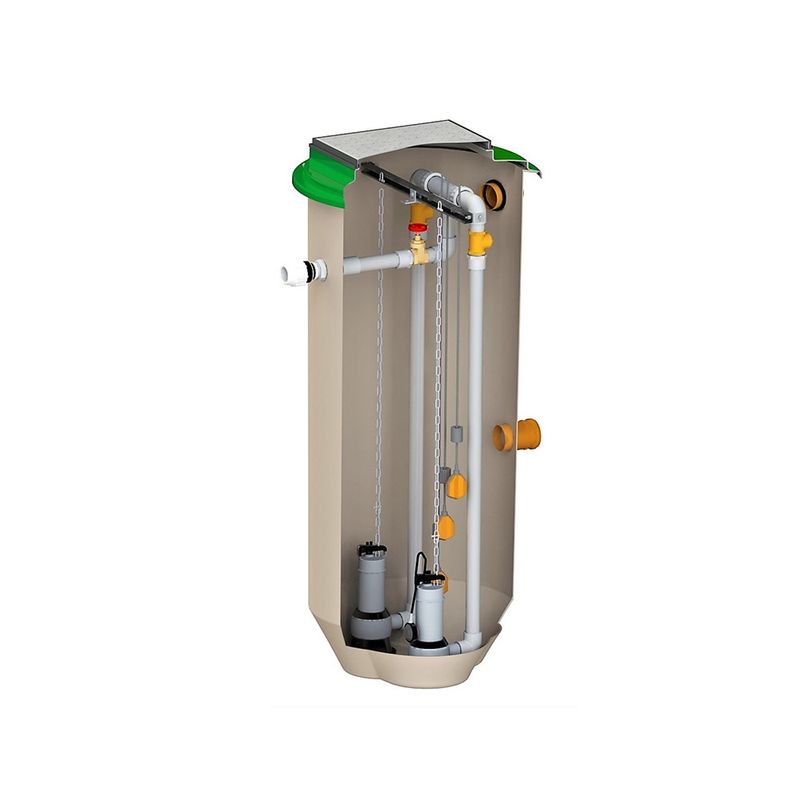
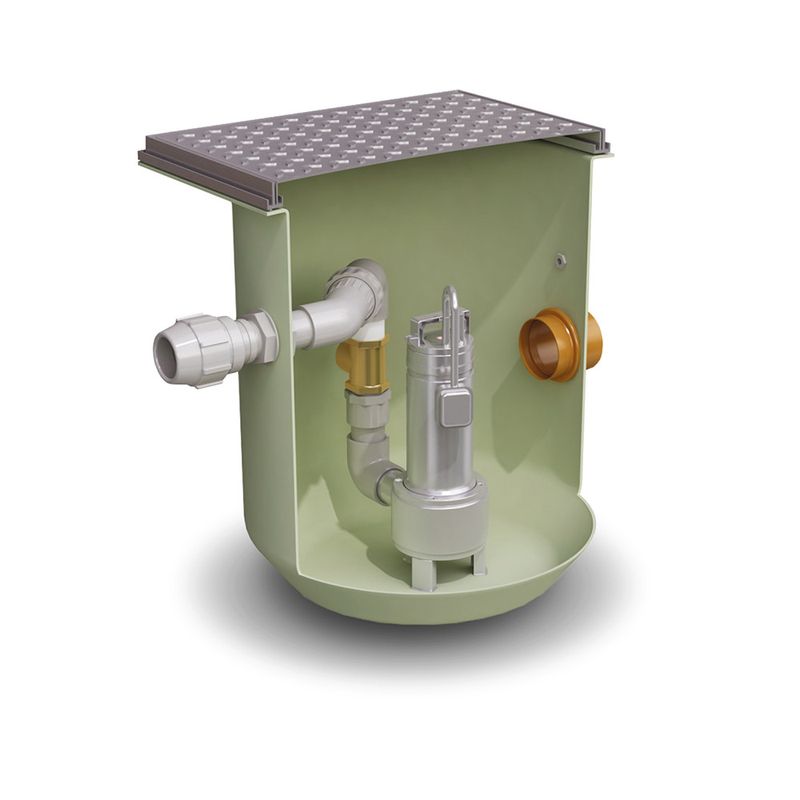
A pumping station is different from a typical sewage system. Also known as a sewage pumping station, the contrast is the wet well (aka, the pumping chamber).
The wet well is located lower than the house. It receives sewage from the property thanks to gravity. The sewage sits in the well until it reaches a certain level. Then a pump starts to work and allows the sewage to travel uphill, out of the well to a travel point at the main sewer.
If you want to buy a new pumping station, our buyer’s guide is the perfect way to find out what you need to consider.
What’s wrong with my old pumping station?
There are a few possible reasons why your pumping station has stopped working. Depending on how extreme the issue is, there are some problems you can deal with if you have experience working with such systems. Having said that, most problems will need the help of a professional. So, look at what could be causing the issue and consider your options carefully.
Without further delay, here’s what you need to look out for.
The toilet has started to back up
Although a pump is designed to prevent these sorts of issues from occurring, blockages are still a likely occurrence. Over time, fats, oils, and other waxy deposits can solidify, resulting in clogged pumping chambers. This prevents things from passing through, causing the toilet to back up. If you start to smell a sewage odour before this, you will need to contact a professional immediately, as this could be the start of a bigger issue.
This issue is common, primarily caused by wet wipes. It’s why many brands state you must dispose of them in a bin, not the toilet. Some wipes are claimed to be “flushable,” but these still cause blockages countrywide. So, ensure you read the packaging and consider your choices further to prevent this from being a regular occurrence.
The pump isn’t turning on
This issue can be the result of several reasons. These are as follows:
- Impeller is jammed by debris.
- The pump needs more electricity.
- A blockage in the pump volute has caused the electrics to fail.
- A valve in the system has been closed or blocked.
- A rising main has been damaged or blocked.
- The pump’s motor isn’t rotating correctly.
- The pump is broken, worn or damaged.
As you can see, some of these issues require simple adjustments (such as removing a blockage or debris from the system). However, if you need replacement parts or confirmation of the issue, contact a professional for consultation and repairs.
The pump isn’t turning off
This might be a simple case of the control float switch being stuck in the wrong position, preventing the pump from turning off. This can arise from a build-up of deposits, like grease or debris, getting stuck in the mechanism. If this issue isn’t the case, a non-return valve might be jammed open. This can cause water to pass through into the chamber.
You can also identify this as a potential issue if your electricity bills have strangely jumped in price with no valid explanation.
The pipes have broken
Like the pump not turning on, the issue of broken pipes might be caused by one or multiple issues. Broken pipes are a serious issue. Especially with sewage systems, as this can lead to flooding of wastewater. So, you must seek out a professional as soon as possible and notice the signs. These can be as follows:
- Toilet backing up.
- Cracks in the foundations.
- Mould issues.
The alarm is sounding
Some pumping station systems are fitted with an alarm. These alarms typically sound whenever there is an issue with the system. This could be high water levels, a malfunction or other issues, as mentioned above. So, if the alarm goes off, ensure you contact a professional to deal with the concern as soon as possible and prevent flood risk.
Pumping station maintenance
Maintenance checks are provided with any drainage system, ideally done by an engineer who can work effectively to ensure they’re done properly. They help you spot the smaller things as soon as possible, preventing them from growing into bigger issues. So you can spot problems early on before they risk high operational costs.
When performing these checks, you or your engineer must check all components. Even if the damage may be minor, it’s best to take note and deal with it quickly to avoid serious damage.
To conclude, despite potential issues, lower-level properties benefit from pumping stations. They help transport the wastewater away from the home. So, don’t hesitate to ask for help from experts to keep your pumping station in check, as this could save you time and money in the long term.
Need more assistance? You can contact our friendly customer service team for advice on your purchase. We also have help and advice about sewage treatment plants and other drainage concerns. Check them out!

Was this guide useful?
Mentioned in this product guide: