

Blocked drains can often be incredibly inconvenient, causing overflows of water and other matter, damaging flooring and property and preventing water from draining away. But what causes blocked drains, how do you know if it is blocked and how can you unblock your drains?
Here at Drainage Superstore, we have many different tools to help unblock both commercial and domestic blocked drains and ensure your drainage systems are back to full working order.
Table of contents
Causes of blocked drains
Drains can become blocked for various reasons, as seen below
| Drain location | Common blockage causes |
| Toilets | Sanitary products (period pads, tampons, etc) Condoms Wet wipes Cotton buds Cotton wool Nappies Paper towels (aka kitchen roll) |
| Shower | Hair buildup Soap scum buildup |
| Bath | Hair buildup Soap scum buildup |
| Kitchen | Grease buildup Fat buildup |
| Outdoor drains | Buildup of leaves Buildup of debris Tree roots |
Toilets
A toilet often gets blocked when items that do not break down are flushed down the toilet. These can be feminine hygiene products, condoms, wipes, and other products.
Showers and baths
Showers and baths are typically exposed to hair and soap. Over time, these can wash into the drain and build up, causing a blockage.
Kitchen drains
A kitchen drain often becomes blocked due to the buildup of grease and fat. Pouring grease and fat down the sink when it is hot isn’t advisable because when it cools, it hardens and creates a solid mass that blocks water from draining away. This has been known to create large “fatbergs” in underground sewers in cities, particularly near large concentrations of takeaways, and can cause serious issues.
Outdoor drains
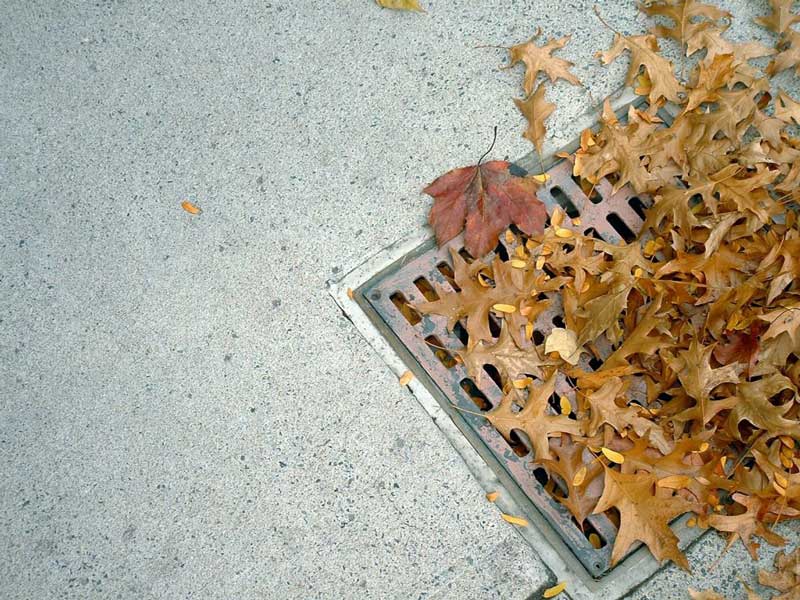
In outdoor drains, blockages are commonly caused by the buildup of leaves and debris. However, tree roots can also cause issues. They often grow into the pipes and create obstructions, which then collect debris and prevent water from flowing through. Tree roots can also break and collapse drains by growing around them.
How do I know if my drain is blocked?
The drain is emitting bad smells
Blocked drains quite often emit foul smells. This is generally a sign of a build-up within the drain. It can occur before the drain becomes completely blocked.
Water isn’t draining away
When a drain is blocked within a home, the water will take a long time to drain in various appliances, such as:
- Showers
- Baths
- Toilets
- Sinks
In some cases, the water may not drain away at all. Additionally, you may experience issues such as the water in one appliance rising when another appliance is used. For example, water rises in the shower when the toilet is flushed.
There are abnormal sounds
Another sign that drains may be blocked is abnormal sounds coming from your pipes and drains that you don’t normally hear, such as gurgling.
Different ways to unblock a drain
You’ve identified that your toilet, sink, bath or shower drain is blocked, but how do you unblock it? There are numerous ways to unblock a drain. We’ve outlined some of the different tools and methods you can use, whether you’re looking at how to unblock a shower drain or how to unblock a toilet.
Plungers
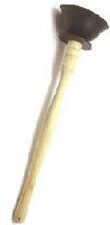
Simple unblocking tools for indoor drains. It creates a seal over the toilet or sink drain that, when plunged in and out a few times, forces water in both directions. This should loosen the blockage.
Note: Don’t forget to ensure the plunger is submerged before use to prevent air from being trapped within the pipe.
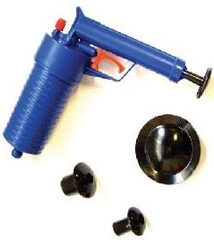
Compressed air plungers
More powerful plungers for tougher blockages. Some such plungers use compressed air in the form of a gun that, once the trigger is pulled, the compressed air is forced through the pipes. This creates a shockwave to dislodge the blockage. These are useful as they can still combat blockages that are past the trap or around bends.
Handheld jet pumps
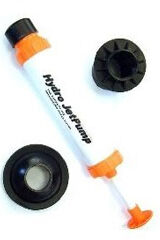
A handheld pump that emits a powerful water jet down the pipe. They often come with adaptors for sinks, drains and toilets to ensure a complete seal around the opening to dislodge tough blockages.
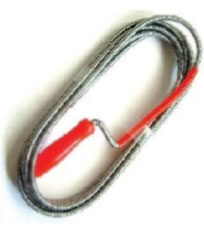
Drain snakes
A wire coil that is fed into the pipes and rotated counterclockwise until it reaches the blockage. A suitable alternative if plungers aren’t working. In fact, drain snakes can go around bends and corners. Plus, the tip is shaped like a corkscrew to help break up the blockage.
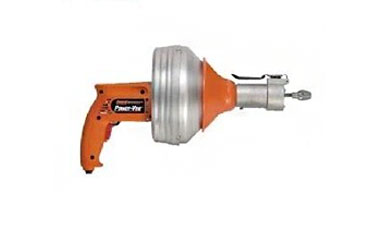
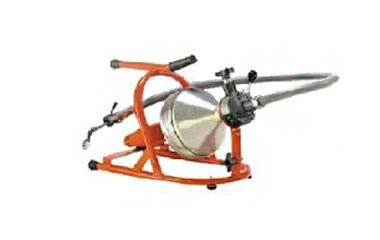
Commercial waste unblockers
For large or industrial blockages, numerous commercial waste unblocking tools are available. These can be manually operated with a crank or with an electrical trigger that has different speed options. They feed the wire down the pipes and come with several different heads depending on the blockage at hand. Choose from handheld drain wire unblockers or an unblocker that has its own frame to sit in.
Kinetic water ram kits
Another option for larger blockages is a kinetic water ram kit. These use bursts of compressed air to create a shockwave, breaking up the blockage with the bursts of air.
Drain rods
Drain rods are the most common tool for outdoor drains. They’re simply long rods that fit together to go down the drain.
To use drain rods, fit a rubber plunger to the end of a rod, and whilst wearing thick rubber gloves, push the plunger into the blocked drain. The rods are flexible, so you can bend them around to find the opening of the pipe, and then feed them in. If the rods aren’t long enough, simply join them together to create longer lengths of rod. When pushing the rods into the drain, ensure to turn the rod clockwise. This will prevent the rods from undoing.
Drain rods have multiple ends to use, depending on the blockage. If the blockage doesn’t clear with a plunger, try using a corkscrew, harpoon, brush, or hook. If required, you can also use a rotating handle to make the process easier.